
Most guides on Kenya safari safety spend nine paragraphs on lions and one sentence on your passport. That sentence usually says “use the safe” for your valuables. It rarely says which camps have one.
The honest answer is that it depends entirely on where you sleep. A permanent lodge on the Mara escarpment and a mobile tented camp deep in Naboisho Conservancy handle security very differently. Knowing the difference before you pack matters more than any padlock.
Do Safari Camps Have Safes? Lodges vs. Mobile Tented Camps
Permanent lodges, the kind built on concrete foundations with wired electricity, almost always have an in-room electronic safe or a lockbox at reception. Think Angama Mara on the Oloololo Escarpment or Sarova Mara Game Camp near Sekenani Gate. These are built like small hotels, and they secure valuables the way small hotels do.
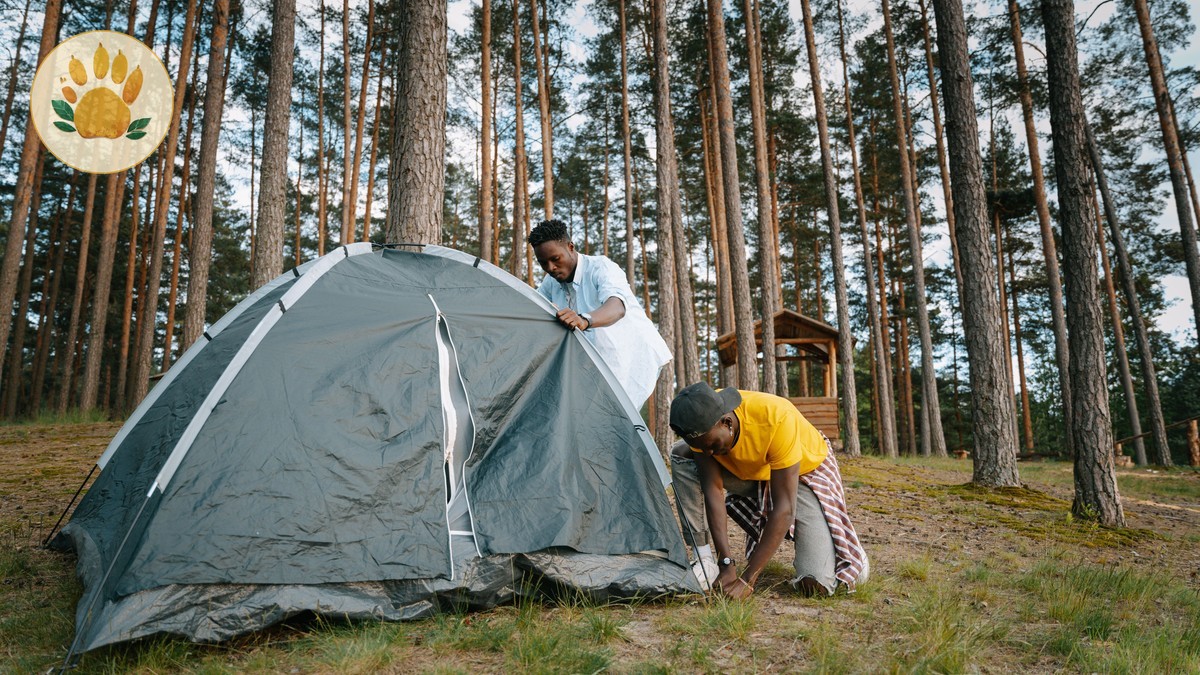
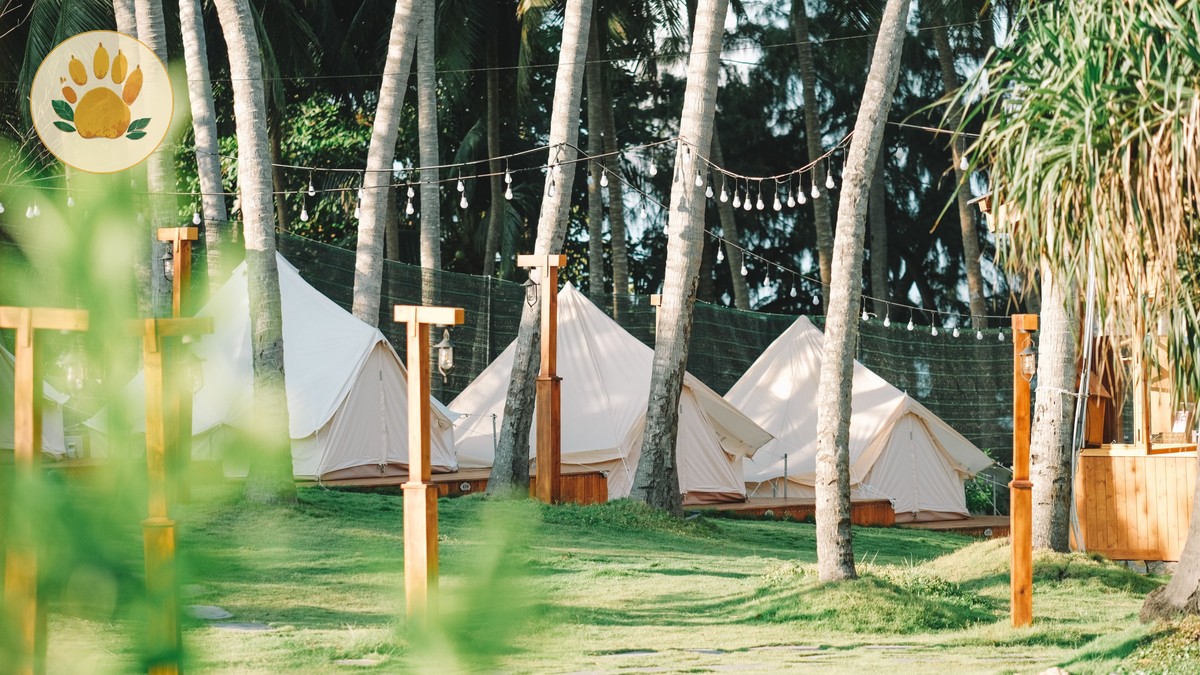
Mobile and semi-permanent tented camps are a different story. Many operating in Mara North Conservancy or the Naboisho area move location seasonally, and canvas structures with no power supply cannot run an electronic safe. Some carry a single lockable metal box at the main tent for guest use. Others have nothing at all beyond your own bag. Nobody tells you this before you book, so ask directly when you reserve.
| Camp Type | Example Location | In-Room Safe | Typical Price/Night (USD, per person) | Distance/Drive from Nairobi |
|---|---|---|---|---|
| Permanent lodge | Angama Mara, Oloololo Escarpment | Yes, electronic in-room safe | 900-1,400 | 270 km, about 5-6 hrs by road, 45 min by air to Kichwa Tembo airstrip |
| Fixed tented camp | Sarova Mara Game Camp, near Sekenani | Yes, room safe or reception lockbox | 350-550 | 270 km, same route |
| Mobile tented camp | Seasonal camps, Mara North/Naboisho Conservancy | Often none, sometimes a shared lockbox | 400-700 | 270 km plus 30-45 min transfer from Mara North airstrip |
| Budget tented camp | Small operators near Talek Gate | Rarely | 150-300 | 270 km, road transfer |
Naboisho and Mara North Conservancy fees run roughly USD 80-150 per person per night, usually bundled into the camp rate rather than billed separately. Always confirm what is included before you travel.
Why Your Tent Zipper Isn’t a Lock
A safari tent zipper keeps out mosquitoes and cold air. It does not keep out a determined person, and canvas can be cut with a small blade in seconds. This is worth knowing, not to worry you, but to set expectations correctly.
Most camps compensate with staffed grounds, a night watchman, and predictable guest routines rather than physical locks. If you are curious what that setup actually sounds and feels like after dark, our piece on what you’ll actually hear from inside your tent at night covers it in detail. The short version: camps rely on people, not padlocks, to keep tents secure.
Carrying Cash and Documents
Kenya safaris involve a mix of cash tipping, park fee payments, and small purchases at curio shops. Carrying it safely matters more than carrying a lot of it.
A money belt worn under clothing works well for passports and larger cash reserves. A slim neck wallet is faster to access for daily spending money and tips. Keep the two separate. If one gets misplaced, you have not lost everything.
Bring a photocopy or photo of your passport’s information page stored separately from the original. Kenyan immigration rarely asks to see the physical passport once you are inside a park, so it can stay locked at camp rather than riding in your daypack every day.
What to Leave at Home
Jewelry, including a wedding ring, is the single easiest item to lose track of on safari. Dust, sunscreen, and constant hand washing at camp sinks make rings slip off more often than people expect. Leave anything with sentimental or high monetary value at home.
The same goes for a second laptop, a spare phone, or backup electronics you do not strictly need. Fewer valuables mean fewer things to track across a ten-day itinerary that might include three or four different camps.
If you are renting camping equipment rather than bringing your own, look into renting secure camping gear in Nairobi before you fly out. It cuts down what you need to carry and what you need to protect.
Game Drives: What to Pack in Your Daypack
You will typically be out on game drives for four to six hours at a stretch, sometimes with a bush breakfast added in. Whatever you bring goes with you in the vehicle. Whatever you leave behind stays at camp, unattended, for most of the day.
A practical daypack for a Masai Mara or Amboseli game drive holds a camera, a spare memory card, sunscreen, a hat, binoculars, and a water bottle. Leave passports, spare cash, and jewelry at camp in the safe or lockbox, not in the vehicle. Dust and sudden rain are common in the Mara between November and April, so a simple dry bag for electronics is worth the extra 500 grams.
If this is your first trip out, our guide to what to expect on your first game drive walks through timing, terrain, and what actually happens once you leave camp.
Night Rules and Staff Escorts
Every well-run camp in Kenya, from Amboseli to Tsavo West, enforces the same rule after dark. Guests do not walk between their tent and the main area alone at night. A staff member walks with you, usually with a torch, checking the path for wildlife that moves through camp after sunset.
This is not about crime. It is about elephants, hyenas, and the occasional buffalo that wander through unfenced camps once the sun goes down. Follow the rule every night, even on the third night when it starts to feel unnecessary.
Baboons, Monkeys, and Animal-Driven Theft
The most common theft at a Kenyan safari camp does not involve a person. Vervet monkeys and baboons around camps near Amboseli and Tsavo are quick, and they target anything shiny or anything that smells like food, including sunglasses, snack wrappers, and unattended toiletries.
Keep tent flaps zipped when you are not inside, and never leave food or wrapped snacks on an outdoor table. Most camps warn guests about this directly at check-in, and it is worth taking seriously.
How Common Is Theft, Really?
Petty opportunistic theft, an unattended phone gone from a table, is far more common than anything violent. It happens occasionally in camps and more often in busy Nairobi settings like Westlands or the CBD, where pickpocketing near markets and matatu stops is the more realistic risk.
Violent crime targeting tourists inside established camps and reserves is rare. Most operators running camps in the Mara, Amboseli, and Tsavo have worked with international guests for decades and have strong incentives to keep incidents low. Reasonable caution, not fear, is the right posture.
Travel Insurance for Valuables
Standard travel insurance policies often cap electronics and jewelry claims lower than you would expect, sometimes around USD 500-1,000 per item unless you add a specific rider. If you are traveling with a camera body worth more than that, check your policy before you fly, not after something goes missing.
Keep receipts for expensive gear, and photograph serial numbers before departure. A ten-minute task at home saves a frustrating claims process later.
The SafariPure Difference
We tell you which camps on your itinerary have a real safe and which have a shared lockbox, before you pay a deposit. That single piece of information changes how you pack. We also brief every guest on tent security and night movement rules as part of the pre-departure call, not as a line item buried in a PDF.
Our itineraries mix permanent lodges and mobile camps deliberately, because both offer something the other cannot. What we will not do is let you find out your camp has no safe on the first night, with your passport already unpacked.
Plan Your Trip
If you want an honest read on security setups at the specific camps you are considering, get in touch through our contact page and we will walk you through what each one actually offers, safe or no safe.